
I found this photo of myself from six years ago, when Rebel Yoga, the yoga studio I co-owned in Makati, was still open.
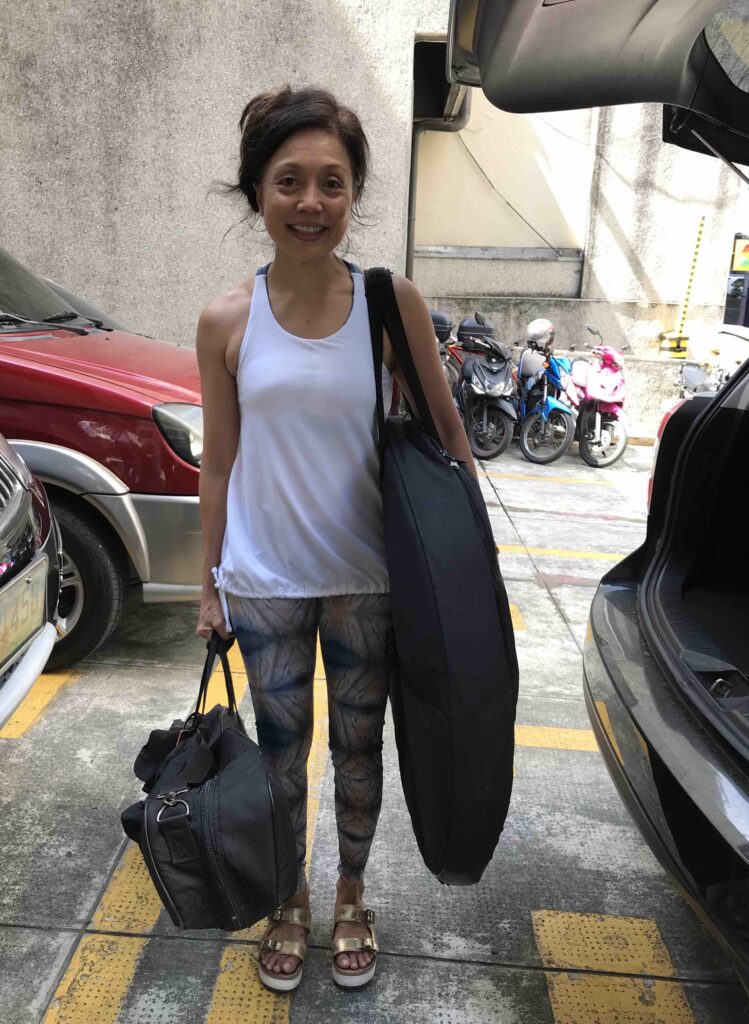
Inside that black bag is my 38-inch Paiste Planet Earth Gong. The gong alone weighs about 42 pounds. Add the stand and my other equipment, and there were days when I was moving around 60 pounds of gear from the car to the studio, to classes and events, and back again. And sometimes it wasn’t just one gong. For some gong baths, I would bring two gongs and two gong stands.
At the time, I didn’t think twice about it. I was strong, active, teaching yoga and working out. If something needed to be carried, I carried it.
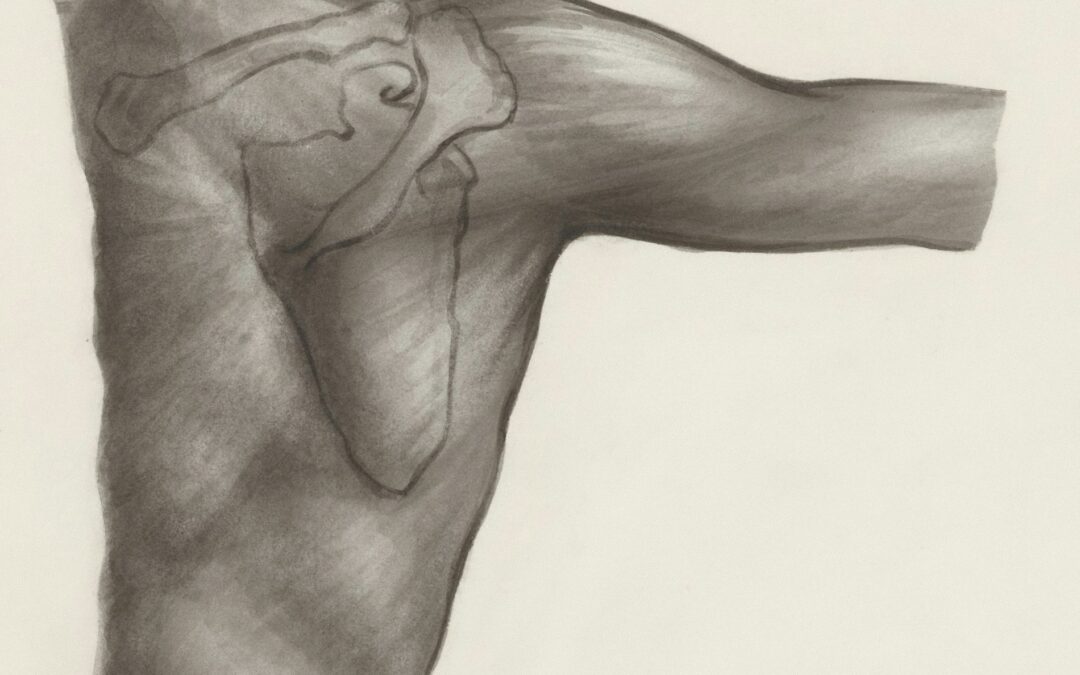
Fast-forward to January this year, when my left shoulder started hurting. I thought it was one of those muscle pains that would eventually go away, so I continued working out and went about my usual activities. Except it didn’t go away. The moment I realized something was really wrong was when I could no longer reach behind my back to put on my bra. That was when I knew this wasn’t just the usual muscle ache.
By May, I finally went to see a doctor and had an ultrasound. It showed supraspinatus tendinosis and chronic bursitis, with impingement when I raised my arm. My doctor later explained that the bursitis and tendonitis led to the frozen shoulder, which was why movement became increasingly restricted.
Since then, my shoulder has taken me on quite a journey.
I had PRP (Platelet-Rich Plasma) therapy in July. I had an ultrasound-guided steroid injection directed into the affected bursa last week, and I’m now on my fourth round of rehab, with six sessions per round.
What started in January as something I dismissed as ordinary muscle pain turned into months of treatment and rehab.
Then I recently came across a National Geographic article about frozen shoulders that caught my attention. It discussed something I hadn’t realized: frozen shoulder affects women more commonly, particularly around the peri- and post-menopausal years, and researchers are looking more closely at the possible role of hormonal changes.
That made me look at my own experience differently. Was it years of carrying my gongs? Working out? Hormonal changes? Aging? A combination of things? I don’t know, and there may never be one simple explanation.
What I do know is that I’m no longer a spring chicken. Being active and strong doesn’t mean I should expect my body to recover the way it did years ago. And perhaps healthy aging isn’t about proving that I can still carry 60 pounds. Maybe it’s knowing when I don’t need to.
I’m still going to play my gongs. I’m still going to practice yoga, work out, travel and do the things I love.
But I’m learning to be smarter about how I load my body, what I carry, when I ask for help and, perhaps most importantly, when I pay attention to pain instead of assuming it will simply disappear.
Sometimes our bodies whisper before they start shouting. I’m learning to listen sooner.
In loving service,
Rosan